During the winter, deer browse on buds and twigs of woody plants, especially when snow covers other herbaceous growth. While that’s fine in the forest, deer browsing can leave the plantings around our homes looking sparse and misshapen. Deer repellents, plant selection and physical barriers are all tools that can help lessen or prevent deer browsing.
Deer Repellents
There are a variety of deer repellents on the market. Experiment to find the ones that work best for you. Note that some are based on smells that are intended to repel deer, while others depend on unpleasant tastes, like pepper. Reapply according to the label.
Plant Selection
Plant selection isn’t something you can change immediately, but as you develop your landscape, choose plants that are less palatable to deer. Your local nursery, local Master Gardner chapters, or the Missouri Botanical Garden Plant Finder website are all good sources.
Barriers
For young plants or particularly special plants in your landscape, you can put up temporary barriers to deer browsing using netting or wire cages. Wire cages around trees and shrubs should be about 6′ tall. Smaller shrubs can have shorter cages, but should be closed off at the top. These can be removed in spring when food sources are more plentiful.
Feeding More Than the Birds
Many people love feeding the birds, but be aware that bird feeders can attract deer, as well. If you see deer tracks around your bird feeder, considering hanging them higher where deer can’t reach them.
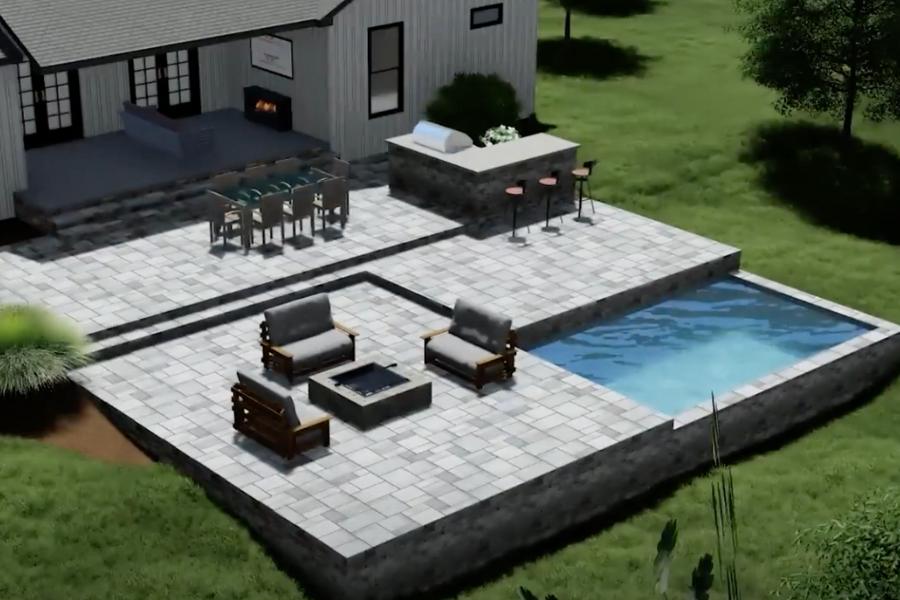
Long winter nights are a perfect time to dream about how you could better use your yard. Spending time now considering how best to use your yard, then talking to a designer can prepare you to be on our schedule early enough to enjoy your newly designed space this summer.
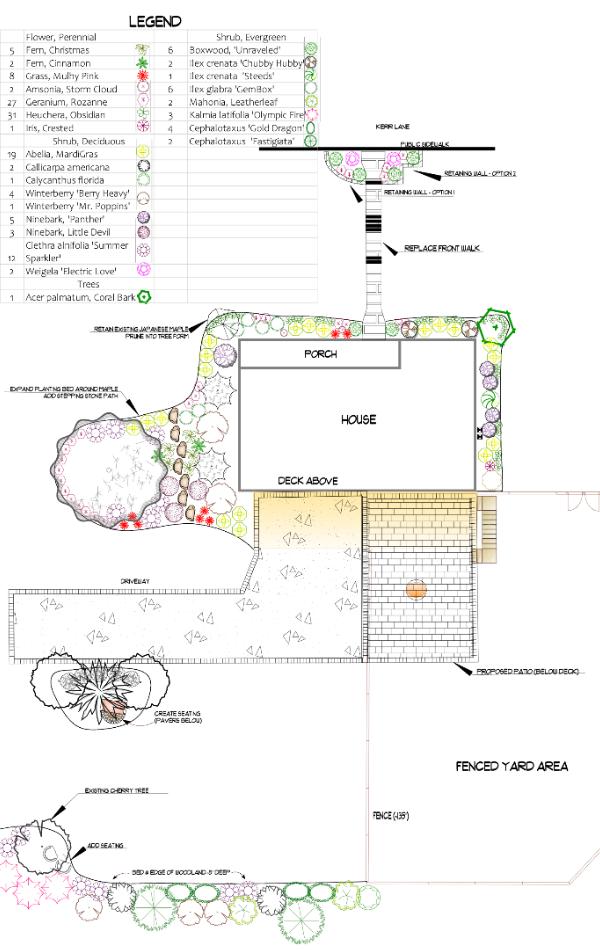
Not only does starting to plan now help you get on the schedule earlier, but it gives you time to consider how you use your whole yard. A plan for your entire property can yield an end product that fits your desired activities into the best locations for each while connecting them into a cohesive plan. You can then implement the whole plan at once, or in phases that suit your budget. Plantings, in particular, can be helpful to install in stages, as it reduces the time and water required for you to care for your new plantings as they get established.
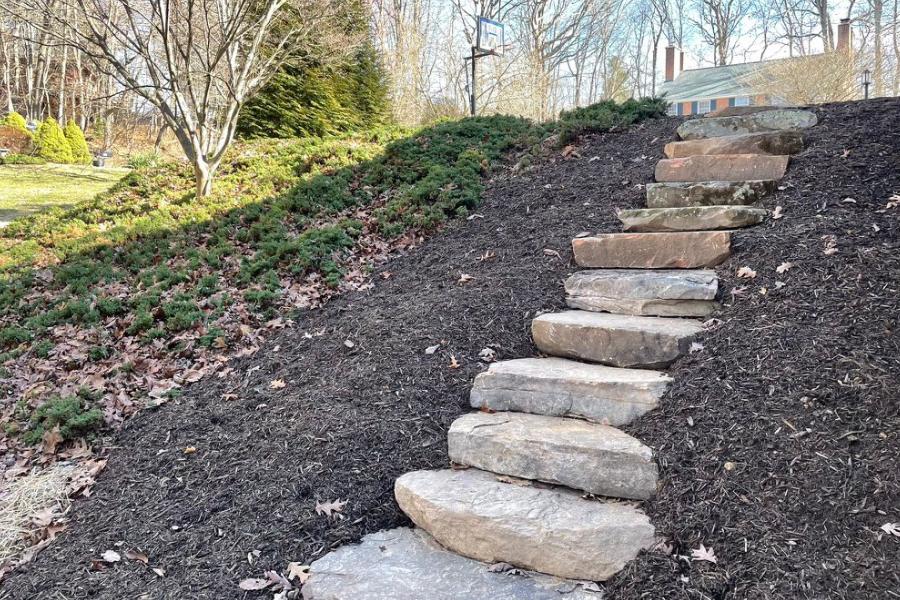
You don’t need to have a big project in mind to benefit from starting the planning process early. Having a designer help you consider different options for a walkway, a set of steps, or a simple planting can ensure you are happy with the final result and less likely to have those “if only I had thought of that …” moments. For planting projects, planning ahead may enable you to schedule your project when the widest selection of plants are available.
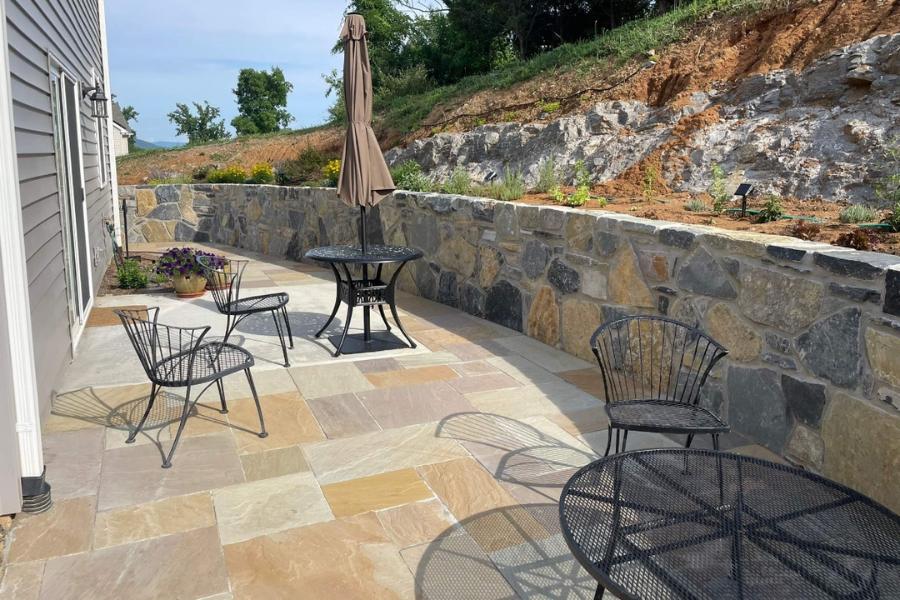
Start your planning process by spending time thinking about all the things you and your family enjoyed doing outside last year, as well as the things you would like to be able to do. Add to that list inspirational pictures and ideas, then contact one of our designers to help organize your ideas into a plan that will suit your home and landscape. In addition to your ideas, the designer will have fresh eyes to see your site and suggest new ideas or unique features, like integrated heating for a covered patio, that will improve the ideas you’ve collected.
One of the big questions people tend to have is how much their dream backyard will cost. Our designers can help you understand the costs and come up with strategies to maximize your budget, or plan to implement your design in phases so it is more affordable.
Finally, you have your plan and are ready to implement it. Our designers can help you consider when it’s best to schedule your project, walk you through material selection, and be with you throughout the installation to answer questions and make any adjustments that may be necessary during construction. You may have heard contractors point out that you never know what you’re going to find when you take apart a wall, and the same is true when you dig into the ground. Having an experienced account rep working with you to navigate any challenges makes the whole process go more smoothly.
Tips for a Successful Installation
Give yourself plenty of time for the planning process. The easiest time to change your mind is before any digging begins.
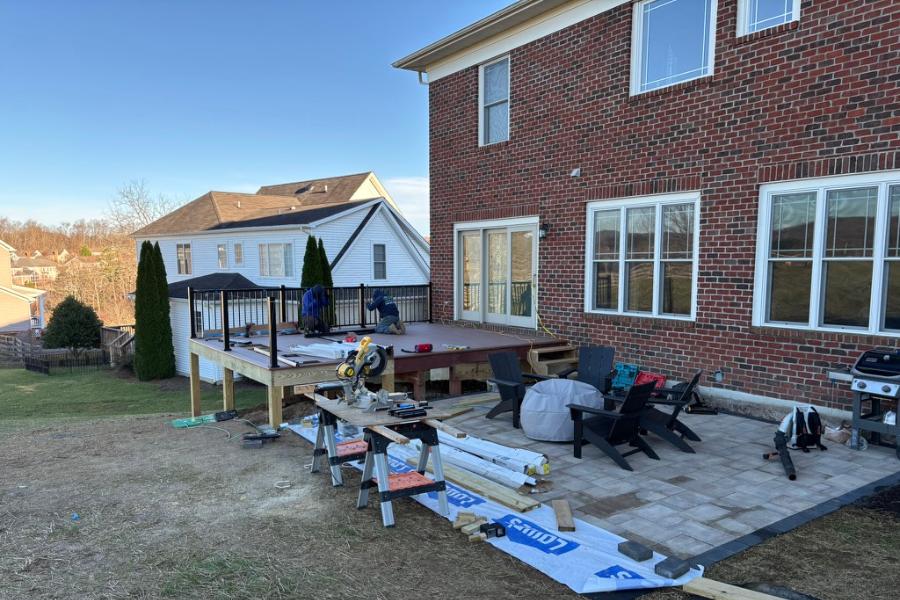
Schedule the project for a time when the disruption of construction will be least impactful on you and your family. Projects can experience delays due to weather, machine breakdowns, and product deliveries, so give yourself plenty of extra time for the project to be completed before you have any major events at your home like graduations or weddings.
When construction begins, there’s going to be a lot of exposed dirt which can then turn into mud. Have a boot tray near your door to put dirty shoes so you don’t track that mud through the house.
Refer to your plan, construction contract, and emails with your representative for details on the project so you know what to expect during the project. You will also receive information on how to care for your hardscape and/or plantings after the project is complete. Follow these instructions for the best long-term results.
If you’re having plantings installed, be ready to water. Talk to your representative about what watering products they recommend and have that equipment ready before the crew finishes so you can start watering right away. Timers that fit on your spigot can allow you to set a watering schedule then simply check occasionally to make sure sprinklers are covering the planting area.
Winter Yard Maintenance: Tips to Keep Your Landscape Healthy and Beautiful
Winter might seem like a time to take a break from yard work, but it’s actually the perfect season to focus on specific tasks that enhance the health and usability of your landscape. From winter cleanups to pruning and deer repellent, here’s how to maintain your outdoor space during the colder months.
1. Winter Cleanup: Clearing the Way for a Healthier Yard
While lawns and weeds may take a break during the winter, your yard can still benefit from maintenance. Winter cleanup tasks include:
Removing Brush: Overgrown brush can create fire hazards and attract unwanted pests like insects and small animals.
Clearing Rotten Wood Piles: Rotting wood piles can harbor termites, rodents, and other pests. Properly clearing these piles protects your property and improves safety.
Tidying Fence Lines: Volunteer shrubs and invasive plants along fence lines can damage structures and spread seeds that displace native species. Keeping these areas clear promotes biodiversity and protects your fences.
We’re offering discounted Winter Cleanup services during January to help you get your yard in great shape for spring.
2. Winter Pruning: Shaping a Stronger Landscape
Winter is one of the best times to prune deciduous trees and shrubs. Without leaves, the structure of your plants is easier to see, allowing for precise pruning. Winter pruning helps:
Remove damaged or diseased branches.
Eliminate crossing branches that can weaken trees.
Improve airflow by opening up the canopy.
Shape trees and shrubs for better structure and size control.
Proper pruning not only makes your landscape look tidy but also promotes long-term plant health.
3. Deer Repellent: Protecting Your Plants
Deer continue to feed on evergreens and twigs throughout the winter, which can cause significant damage to your landscape. Using deer repellent products can help prevent or reduce browsing damage. You can apply these repellents yourself, or we can handle the application for you to ensure your plants are protected all season long.
4. Snow Removal: Stay Safe and Enjoy the Snow
Snow-covered driveways and sidewalks can be slippery and difficult to manage. Our snow removal services ensure your property stays safe and accessible. By signing up for a seasonal contract, you can enjoy the snow without worrying about shoveling heavy drifts or risking injury.
5. The Importance of Managing Log Piles and Brush
Keeping log piles and brush under control isn’t just about aesthetics—it’s about safety and biodiversity:
Log Piles: Improperly placed log piles near structures or trees can increase fire risk and attract pests. If you’re interested in using log piles for wildlife habitats, ensure they’re located safely, at least 100 feet from structures.
Brush Removal: Overgrown brush near your home can increase fire risk and attract small animals or insects. Clearing these areas reduces hazards and keeps your yard looking neat.
Start Winter Maintenance Today
Taking care of your yard during the winter ensures it’s ready to thrive in spring. From Winter Cleanup and pruning to deer repellent and snow removal, we’re here to help. Contact us today to schedule a FREE quote or to take advantage of our discounted Winter Cleanup services in January. Let’s work together to make your landscape safe, functional, and beautiful—even in the off-season.
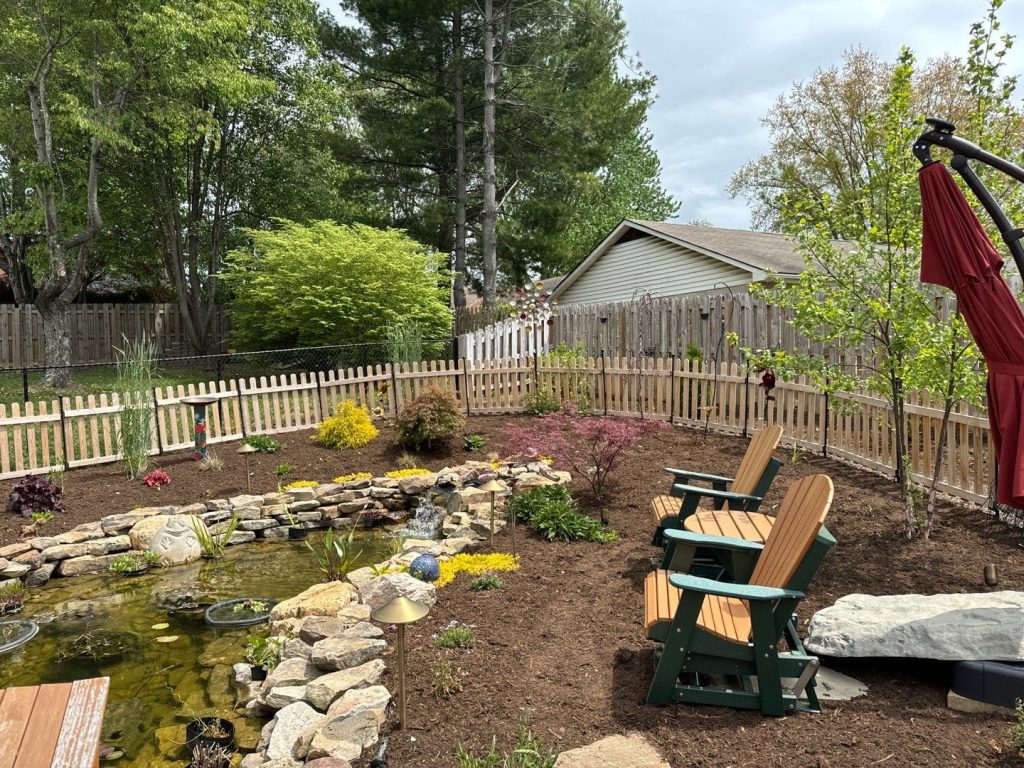
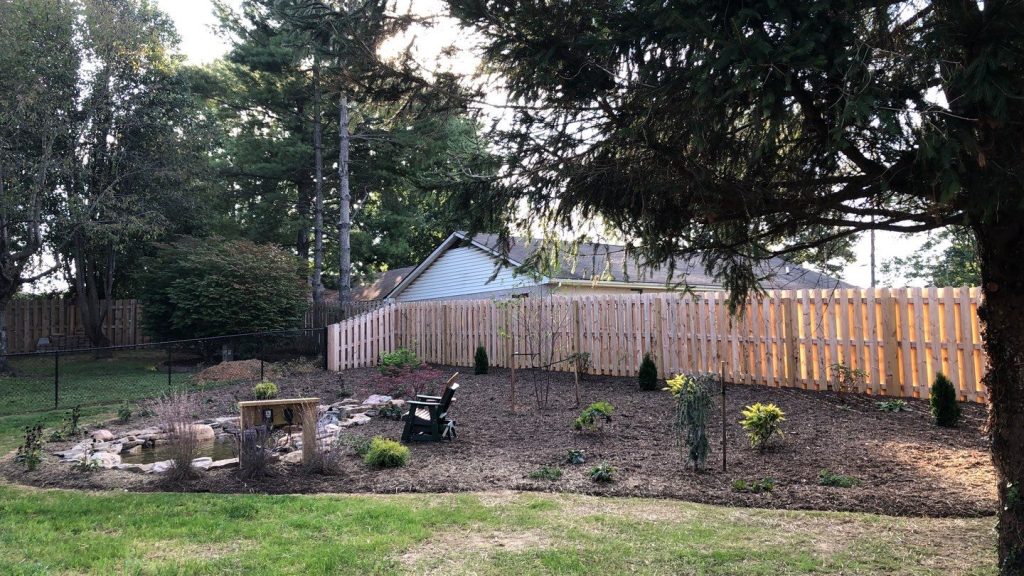
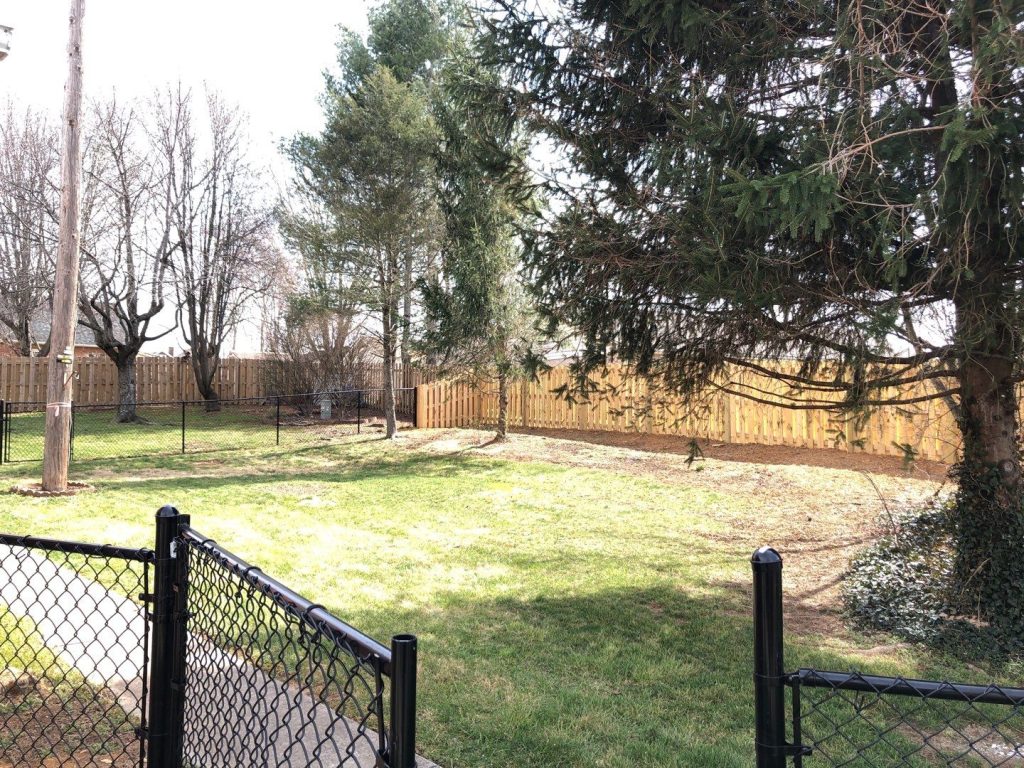
Our team had the pleasure of transforming this client’s plain backyard into a stunning garden retreat, complete with a large pond, relaxing seating areas, and lush new plantings.
The centerpiece of the project was the creation of a large garden pond. To create the right setting, we worked with the client and an arborist to remove a few unwanted evergreen trees. The pond is placed to be easily viewed from the house. Once the site was selected and prepared, our team carefully excavated the area, incorporating varying depths to support a diverse range of aquatic plants. We lined the pond with a high-quality liner, added natural stones and gravel, and installed a state-of-the-art pond pump to ensure clear, healthy water circulation. The client opted to include fish, so we made sure to design a habitat that would keep them thriving.
Around the pond we planted a variety of ornamental grasses, colorful shrubs, trees, and perennials. A native birch tree planted at the back of the yard will eventually provide light shade to their seating area. Since building the pond, our clients asked us to add a paver patio with a wood porch swing for more seating, a place usually claimed by their dogs.
The end result is a backyard that has been completely transformed into a serene garden oasis in which they can unwind and enjoy the beauty of nature right at home.
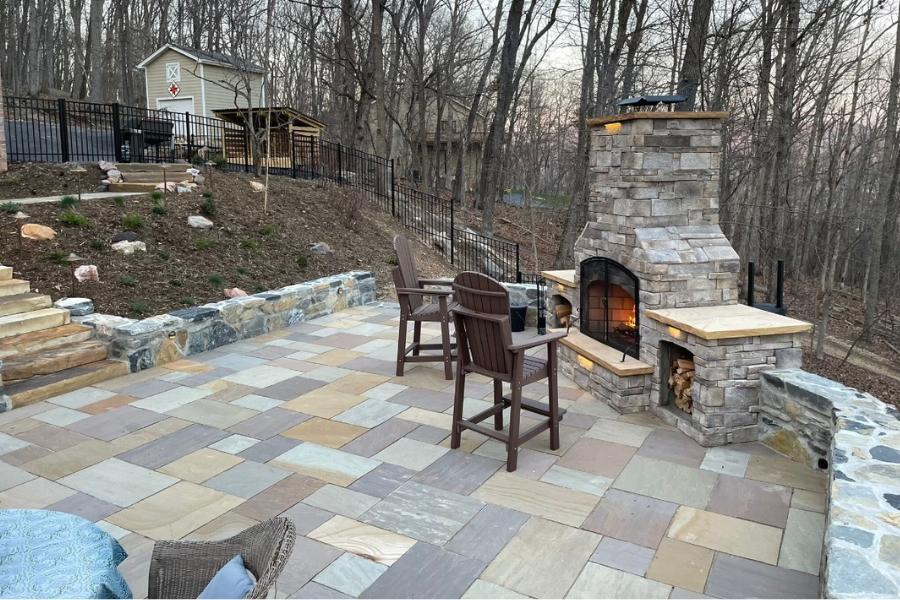
Adding a sunroom or screened porch to your house creates a direct connection and expands your outdoor living space. Incorporating landscape features such as pergolas, arbors, and statuary can further transform an ordinary yard into an extraordinary outdoor space. These elements add structure, beauty, and functionality, creating a cohesive and inviting environment.
The addition of these elements/structures provide:
Shade and Comfort: making outdoor spaces more comfortable during hot summer days.
Visual Interest: adding height and architectural interest, or creating focal points such as an entryway or transition in the garden.
Support for Vines: support climbing plants like wisteria, roses, and grapevines, adding natural beauty and fragrance.
Outdoor Living: add seating, lighting, and even outdoor kitchens, extending the usability of outdoor spaces.
When thinking about the addition of landscape elements consider:
Material Choices: that complement your home’s architecture and the overall landscape style.
Size and Scale: proportionate to the surrounding space and other landscape elements.
Integration & proper placement: into the overall landscape design by connecting them with pathways, patios, or garden beds.
Our designers can help you thoughtfully create and place any landscape feature into your landscape to create a harmonious and inviting environment that reflects your personal style and meets your outdoor living needs. Call us today to learn how these features can transform your yard into a stunning and enjoyable retreat.
We use cookies to ensure that we give you the best experience on our website. If you continue to use this site we will assume that you are happy with it.