During the winter, deer browse on buds and twigs of woody plants, especially when snow covers other herbaceous growth. While that’s fine in the forest, deer browsing can leave the plantings around our homes looking sparse and misshapen. Deer repellents, plant selection, placement and physical barriers are all tools that can help lessen or prevent deer browsing.
Deer Repellents
There are a variety of deer repellents on the market. Experiment to find the ones that work best for you. Note that some are based on smells that are intended to repel deer, while others depend on unpleasant tastes, like pepper. Reapply according to the label. Using a repellent makes it less likely for deer to browse your plants, but can’t guarantee complete protection.
Plant Selection
Plant selection is an important part of gardening in deer country. Very few plants are completely unpalatable to deer, though boxwoods, daffodils, and ornamental grasses come close. To find the best options for your yard, look around your neighborhood to see what the deer are leaving alone, talk to folks at your local nursery, contact local Master Gardener chapters, or look online. We like the Missouri Botanical Garden Plant Finder or the list from Rutger’s Extension Service.
Some plants that we have had good success with include:
Ornamental grasses
Sedges
Boxwoods
Colorado blue spruce
Cryptomeria sp.
spirea
Ferns (though if there are high populations, they will nip the tender tips off in spring)
Lavender
Russian sage
Catmint (Nepeta sp.)
Daffodils
Lamb’s ear
Lenten rose
Mountain mint (Pycnanthemum sp.)
Amsonia sp.
Colorado blue spruce
Plant Placement
You may notice that deer travel in certain patterns through your yard. In those areas, use plants that are the most resistant to deer damage (ex. boxwood, ornamental grasses, etc.). Deer may shy away from areas of higher activity, like a front door or near a busy street, allowing you to use a wider variety of plants. For those of you that spend months in another location, deer can get very bold when a home is unoccupied, and so the most resistant plants would be best suited for that landscape.
Barriers
For young plants or particularly special plants in your landscape, you can put up temporary barriers to deer browsing using netting or wire cages. Wire cages around trees and shrubs should be about 6′ tall. Smaller shrubs can have shorter cages, but should be closed off at the top. These can be removed in spring when food sources are more plentiful. You can also use these barriers on trees and shrubs that will grow taller to give them protection until they outgrow the reach of most deer.
Feeding More Than the Birds
Many people love feeding the birds, but be aware that bird feeders can attract deer, as well. If you see deer tracks around your bird feeder, consider hanging them higher where deer can’t reach them.
If the deer population is high enough, and they are hungry enough, your landscape may still experience some deer damage. But with the right mix of plant choices and protection, you are much more likely to enjoy a beautiful, thriving landscape—without turning it into a deer buffet!
Let us help!
We can help you install wire cages, deer fencing, and schedule you for regular applications of deer repellent if you would like help protecting your landscaping plantings
Choosing the Best Patio Material for Your Outdoor Space
Whether you’re creating a new patio or refreshing an existing one, the material you choose sets the tone for your outdoor living area. Each option—pavers, natural stone, or concrete—has its own appeal, maintenance needs, and price range. Here’s a quick comparison to help you decide what fits your style, budget, and long-term goals.
Pavers: Durable and Versatile
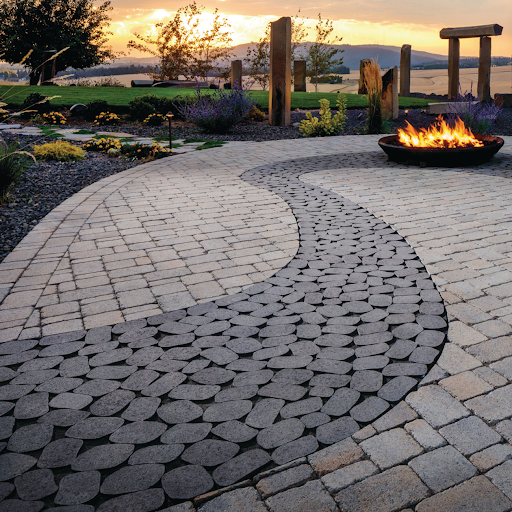
Pavers come in a wide range of colors, shapes, and patterns, allowing endless design possibilities. They’re known for durability and flexibility—because they’re installed in individual pieces, they’re less likely to crack over time. Repairs are easy, too: if a section becomes stained or damaged, you can replace just those pieces instead of the whole patio.
Sometimes pavers—especially new installations—can develop a white bloom called efflorescence, which is calcium leaving the stone. To resolve this, wait about a year, then clean and seal your patio to restore its full color and finish.
Pavers now also come in porcelain, which has a tighter, less porous finish than concrete pavers. Porcelain pavers are a bit easier to clean, can handle snow melt chemicals, and don’t need sealing. They tend to come in larger sizes and often bring a clean, modern look to a project. Some lines even simulate wood planking, allowing you to enjoy the look of wood with the durability of porcelain. Because they are a larger format, however, moss or algae can spread across them more easily, so they may need to be cleaned more often.
Natural Stone: Timeless Beauty
For a classic, high-end look, natural stone is hard to beat. Flagstone, bluestone, and slate create a one-of-a-kind surface with natural color variation and texture. Stone requires a bit more investment, but it offers exceptional longevity and an elegant, organic look that complements both modern and traditional landscapes.
Concrete: Clean and Customizable
Concrete patios are a popular choice for their affordability and smooth finish. Over time, however, it may develop cracks or discoloration, especially in freeze-thaw climates—but a facelift is often easier than you might think.
Upgrading an Existing Patio
If you already have a patio, you may not need to start from scratch. Expanding an existing paver or stone patio can blend beautifully with the original when matching or complementary materials are used. To refresh a concrete patio without the cost of demolition, consider overlaying it with flagstone or pavers—this approach transforms plain concrete into a textured, inviting surface that feels brand-new. If you’re adding onto an existing concrete patio, overlaying both the original and new slabs with stone helps create a seamless, unified look.
Pro Tip: Before adding onto or resurfacing a patio, check that the base or existing slab is stable and properly graded for drainage. A professional evaluation ensures your investment lasts for years to come.
Whether you’re starting fresh or giving your patio a facelift, our team can help design and build a beautiful, long-lasting outdoor space that fits your home and lifestyle.
During the winter, deer browse on buds and twigs of woody plants, especially when snow covers other herbaceous growth. While that’s fine in the forest, deer browsing can leave the plantings around our homes looking sparse and misshapen. Deer repellents, plant selection and physical barriers are all tools that can help lessen or prevent deer browsing.
Deer Repellents
There are a variety of deer repellents on the market. Experiment to find the ones that work best for you. Note that some are based on smells that are intended to repel deer, while others depend on unpleasant tastes, like pepper. Reapply according to the label.
Plant Selection
Plant selection isn’t something you can change immediately, but as you develop your landscape, choose plants that are less palatable to deer. Your local nursery, local Master Gardner chapters, or the Missouri Botanical Garden Plant Finder website are all good sources.
Barriers
For young plants or particularly special plants in your landscape, you can put up temporary barriers to deer browsing using netting or wire cages. Wire cages around trees and shrubs should be about 6′ tall. Smaller shrubs can have shorter cages, but should be closed off at the top. These can be removed in spring when food sources are more plentiful.
Feeding More Than the Birds
Many people love feeding the birds, but be aware that bird feeders can attract deer, as well. If you see deer tracks around your bird feeder, considering hanging them higher where deer can’t reach them.
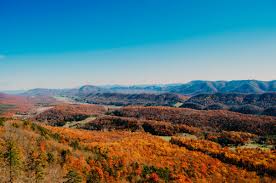
According to the Roanoke Times, the best time for fall foliage viewing this year will be mid to late October. It’s the perfect season to take a drive along the Blue Ridge Parkway, stop for lunch at a favorite spot, or go for a hike to soak in the beauty of our region.
You can also bring some of that stunning fall color home with these favorite plants known for their brilliant autumn foliage:
Red Maple – Many cultivars, such as ‘Brandywine’ and ‘Red October’, have been selected for their exceptional fall color.
‘Wildfire’ Tupelo – Brilliant reds and oranges make this tree a standout each fall. Its modest size makes it a good fit for many home landscapes.
‘Mount Airy’ Fothergilla – A shrub that shines in every season: gently fragrant white bottlebrush flowers in spring, a tidy form with clean foliage in summer, and yellow, orange, and red leaves in fall. It grows 4–5 feet tall and wide, spreading gradually by suckers that can be removed as needed.
Bottlebrush Buckeye – Clear yellow foliage glows in both sun and shade on this large shrub, which grows 6-12 feet tall and wide. Long white bottlebrush flowers appear in spring. Give it plenty of room to spread and thrive.
Dogwood – Known for its white spring blooms, the dogwood is also one of the first trees to show fall color, turning a rich burgundy. Look for disease-resistant cultivars like ‘Appalachian Spring’.
‘Winterthur’ Viburnum – Growing 5–6 feet tall and slightly narrower in width, this shrub offers white flowers in spring, glossy green foliage in summer, and burgundy leaves in fall accented by berries that transition from pink to blue.
‘Blackhawks’ Big Bluestem – Fall color isn’t just for trees and shrubs! This native grass reaches 4–5 feet tall and 1-2 feet wide, featuring purple-tinged foliage in summer that turns bright burgundy in fall.
‘Standing Ovation’ Little Bluestem – With blue-green summer foliage that turns a rosy hue in fall, this compact grass (3-4 feet tall and about 2 feet wide) fits beautifully into most gardens.
Wherever you choose to enjoy the season — on a mountain trail or in your own backyard — take time to appreciate the incredible palette of fall color our region has to offer.
As the growing season winds down, your perennials are getting ready for their winter rest. A little care in the fall goes a long way toward keeping them healthy and ensuring strong growth next spring.
Cut Back—But Not Everything
Many perennials benefit from being cut back in fall once the foliage has died back. Removing old, diseased, or floppy growth helps prevent problems like rot and pests over winter. However, not every plant needs trimming—some, like coneflowers and ornamental grasses, can be left standing. Their seed heads add winter interest and provide food for birds.
Clean Up and Divide
Clearing away fallen leaves and dead stems around your plants improves air circulation and reduces the chance of disease. Fall is also an ideal time to divide crowded perennials like daylilies, hostas, and irises. Dividing keeps them vigorous and can give you new plants to fill in other parts of your garden.
Add Mulch for Protection
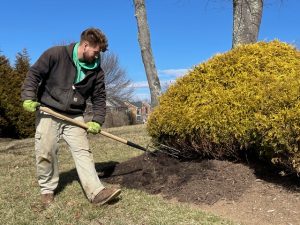
Once the ground starts to cool, add a light layer of mulch around your perennials. This helps insulate the roots from temperature swings and protects plants during freeze-thaw cycles. Just be sure not to the crown of the plant with mulch.
Now or Later?
Some people leave their perennials over the winter and cut them back when it warms up in the spring to create overwintering habitat for insects. Just be careful not to wait too late in the spring when new growth has begun, it’s easy to damage the tender new shoots when working in the garden. If you have had problems with disease or damaging insect populations, you may want to clean up in fall to control those issues for the next year.
Our team can help with seasonal cutbacks, cleanup, and mulching—so your landscape stays neat and your plants are ready for a strong start next spring.
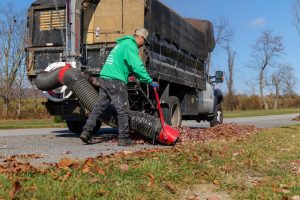
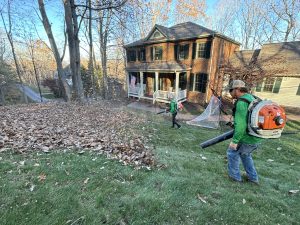
When autumn leaves start to fall, they create a beautiful blanket of color across your yard—but that blanket can quickly turn into a problem if it’s left too long. Cleaning up leaves in the fall isn’t just about keeping your property tidy; it’s an important step in protecting the health of your lawn and landscape.
Prevent Lawn Damage
A thick layer of leaves can smother your grass. When leaves pile up and stay wet, they block sunlight and trap moisture, creating conditions that can kill turf and encourage mold and fungus. A little leaf cover is fine for a short while, but letting it sit very long can lead to bare patches and a weak lawn in the spring.
Reduce Pest and Disease Problems
Damp, decaying leaves provide a cozy hiding spot for pests like voles, slugs, and insects. They can also harbor diseases that affect both lawns and ornamental plants. Removing those leaves before winter helps keep your landscape healthier overall.
Protect Walkways and Drainage
Wet leaves can be slippery, creating safety hazards on driveways, patios, and walkways. They can also clog drains, gutters, and storm inlets, leading to standing water or ice buildup. Regular cleanup keeps things safe and functioning properly.
Keep Your Landscape Looking Its Best
A well-maintained property adds curb appeal—even in the off-season. Removing leaves helps highlight your evergreens, hardscape features, and fall plantings, keeping your outdoor spaces looking polished and cared for.
Make Use of the Nutrients
Leaves aren’t waste—they’re full of organic matter that can be reused. If you have a compost pile, shred your leaves and add them to your pile to help return nutrients to your soil, improving its structure and fertility for next year.
Ready for a Clean Start
Fall leaf cleanup sets the stage for a healthy, vibrant lawn in spring. Whether you prefer to handle it yourself or have our crew take care of it, tackling those leaves before winter pays off in the long run—with fewer problems and a better-looking yard.
We use cookies to ensure that we give you the best experience on our website. If you continue to use this site we will assume that you are happy with it.